The New Gambling Legislation vs Commercial Property on the High Street
In short
A betting shop’s rent review is based on open market rental value, not on how well the shop trades, but at a lease renewal the rent can fall as well as rise. The maximum stake on fixed-odds betting terminals fell from £100 to £2 on 1 April 2019, and the number of betting shops in Great Britain has fallen from 8,423 in September 2018 to 5,825 in March 2025.
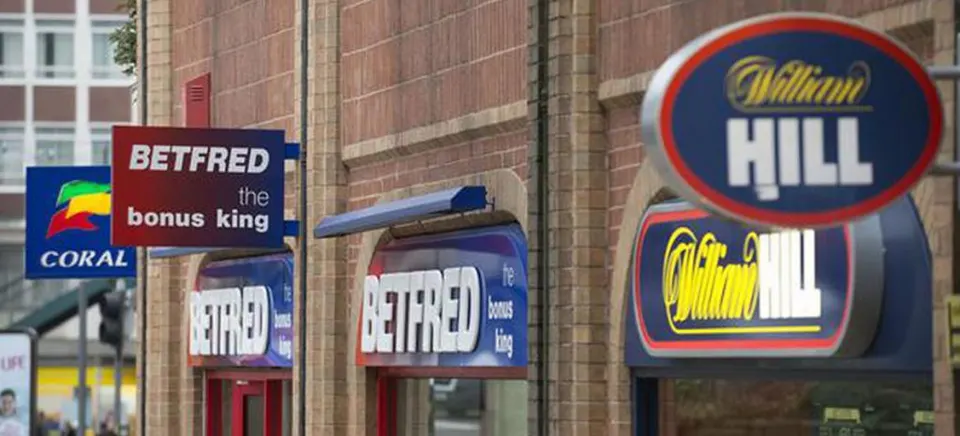
Over the years I have acted not just for Landlords whose Tenants are betting shops such as William Hill, Ladbrokes and Betfred, but also for one of the major high street gambling retailers. We at Richard Lionel & Partners have argued both sides of the coin when negotiating rent reviews for and against the bookmakers. This article was written in November 2018, before the £2 limit came into force.
Why were bookmakers good Tenants for high street Landlords?
Because they paid reliably. The Landlord/Tenant relationship with bookmakers had worked well for years, especially for smaller private Landlords. Whilst the bookmakers often negotiated the keenest rents, their Landlords had the security of a good covenant and a Tenant who would be sure to pay their rent in a reliable fashion.
What did the new gambling legislation change?
It cut the most that can be gambled on a fixed-odds betting terminal to £2 per spin from April 2019, which spells bad news for bookmakers. In recent years, fixed-odds betting terminals have proved a profitable and reliable source of income for all bookmakers, hence the unprecedented number of retail units they rent throughout the UK. The new legislation will almost certainly push those who enjoy gambling to bet online instead, where these restrictions are not yet applicable, resulting in the closure of thousands of betting shops across the land.
Does a betting shop’s trading affect its rent review?
No. When facing a forthcoming rent review, betting shops are still liable to agree terms based upon the fair Open Market Rental Value, which is not based upon how well or badly a business is performing.
Why is a lease renewal different for betting shops?
Because rents can fall as well as rise at a renewal. Whilst rent reviews are almost always upward only, lease renewals, when terms are renegotiated, can see rents fall. With profits down after the stake cut, the bookmakers are likely either to vacate units, handing the keys back to unhappy Landlords who then face no rental income, or, at the more profitable units, to renegotiate low rents (how rent reductions are negotiated).
How could low betting shop rents affect other Landlords?
By creating new, low comparable evidence. Low rents agreed by bookmakers could have a knock-on effect on the whole high street, and that evidence will certainly be pounced upon and used against Landlords when negotiating current rent reviews and lease renewals with other existing Tenants. Whilst this could be good news for independent retailers hoping for rent reductions, it spells potentially worrying times for Landlords.
As of today, nobody knows what the true effect of the £2 stake limit will be on the high street, however at Richard Lionel & Partners, we would not like to bet on it!
What happened next?
The £2 limit came into force on 1 April 2019, when the maximum charge for using a B2 gaming machine fell from £100 to £2 (Gaming Machine (Miscellaneous Amendments and Revocation) Regulations 2018 (opens in a new tab)). The Gambling Commission’s figures show the number of betting shops in Great Britain falling:
- 8,423 in September 2018 (Gambling Commission, May 2019 (opens in a new tab))
- 5,825 in March 2025 (Gambling Commission, April 2024 to March 2025 (opens in a new tab))
That is about 2,600 fewer betting shops, close to a third of them.
Rent review or lease renewal coming up?
Start with our free, no-obligation lease analysis.
How we help landlords and tenants, and with lease renewals
More articles
All articles
Open Market Rental What?
The phrase in most commercial leases that decides how a rent review or lease renewal turns out, and the evidence that proves it.Read the article
How to Ask for a Rent Reduction
When a commercial Tenant can get the rent reduced, and why many Landlords would rather agree than lose a Tenant.Read the article
2025: The Year of the Rent Review
A rent review does not have to mean a rent increase. What decides the new rent, and what has changed since.Read the article